How to Use an Electric Toothbrush Properly
Using an electric toothbrush may seem simple, but the right technique makes a big difference. Unlike a manual toothbrush, an electric toothbrush does most of the brushing movement for you. Your job is not to scrub hard, but to guide the brush head slowly and evenly across every tooth.
Whether you are switching from a manual toothbrush or using an electric toothbrush for the first time, this guide will show you how to brush correctly, how long to brush, how much pressure to use, and how to care for your toothbrush after use.
Why Proper Electric Toothbrush Technique Matters
An electric toothbrush is designed to help clean teeth more efficiently with rotating, oscillating, or sonic vibration movements. However, even a good toothbrush cannot deliver the best results if it is used incorrectly.
Many users make the mistake of brushing too fast, pressing too hard, or moving the brush like a manual toothbrush. Philips and Oral-B both emphasize that electric toothbrushes are designed to do the brushing action, while users should guide the brush gently across the teeth.
Proper technique can help you:
- Clean the tooth surface more evenly
- Reach the gumline more effectively
- Reduce excessive pressure on gums
- Avoid toothpaste splashing
- Build a better daily oral care routine
Step-by-Step Guide: How to Use an Electric Toothbrush
1. Make Sure the Toothbrush Is Charged
Before brushing, check that your electric toothbrush has enough battery. Many rechargeable models have battery indicator lights, while some basic models use replaceable batteries.
If the toothbrush is low on power, the vibration or rotation may become weaker, which can affect the brushing experience. For daily use, keeping the toothbrush charged helps ensure stable performance.
2. Attach the Brush Head Correctly
Push the brush head firmly onto the handle. Some electric toothbrushes may leave a small gap between the brush head and the handle, which can be normal depending on the design. Philips also notes that a small gap can be necessary for certain models.
Before using the toothbrush, make sure the brush head is secure and does not wobble loosely.
3. Wet the Bristles and Apply Toothpaste
Wet the bristles slightly, then apply a pea-sized amount of toothpaste. Using too much toothpaste may create excessive foam and make brushing messy.
A small amount is usually enough for effective cleaning. Philips recommends using only a small amount of toothpaste to avoid too much foam running down the handle.
4. Place the Brush Head in Your Mouth Before Turning It On
To avoid toothpaste splashing, place the brush head against your teeth before pressing the power button. Oral-B also recommends guiding the brush head to your teeth before switching it on.
A simple order is:
Place → Close lips slightly → Turn on → Start brushing.
This helps keep toothpaste on the bristles and makes brushing cleaner and more comfortable.
5. Hold the Brush at a 45-Degree Angle
Hold the brush head at about a 45-degree angle toward the gumline. This position helps the bristles clean the area where the teeth and gums meet.
The gumline is one of the most important areas to clean because plaque can easily build up there. Spinbrush and Philips both recommend holding the brush at a 45-degree angle near the gumline.
6. Guide the Brush Slowly from Tooth to Tooth
Do not scrub back and forth like you would with a manual toothbrush. Instead, move the brush head slowly from tooth to tooth.
Let the electric toothbrush do the work. Hold the brush head on each tooth for a few seconds, then move to the next tooth. Cover the outer surfaces, inner surfaces, chewing surfaces, and the back teeth.
For round-head electric toothbrushes, you can guide the brush tooth by tooth. For sonic toothbrushes, gently glide the bristles along the teeth and gumline.
7. Brush Each Area of Your Mouth Evenly
Divide your mouth into four sections:
- Upper right
- Upper left
- Lower right
- Lower left
Spend about 30 seconds on each section. This helps make sure you do not overbrush one area and miss another.
Many electric toothbrushes include a built-in timer or quadrant reminder to help users brush for the right amount of time. Oral-B notes that some models include two-minute timers and 30-second quadrant reminders.
8. Brush for Two Full Minutes
The American Dental Association recommends brushing for two minutes twice a day with a soft-bristled toothbrush.
Two minutes may feel long at first, especially if you are used to quick brushing. However, it gives you enough time to clean all tooth surfaces properly.
A good routine is:
- 30 seconds: upper right
- 30 seconds: upper left
- 30 seconds: lower right
- 30 seconds: lower left
9. Clean the Gumline, Back Teeth, and Tongue
Do not only brush the front teeth. Pay attention to the gumline, back molars, inside surfaces, and chewing surfaces.
After brushing your teeth, you can gently clean your tongue from back to front to help freshen breath. Oral-B also suggests grazing the brush head along the tongue and roof of the mouth to help freshen breath.
How Much Pressure Should You Use?
Use light pressure only.
One of the biggest mistakes people make with an electric toothbrush is pressing too hard. Pressing harder does not mean cleaning better. In fact, too much pressure can irritate gums, wear down bristles faster, and reduce the effectiveness of the brush movement.
Philips explains that pushing the brush head too hard against the teeth and gums can prevent the bristles from sweeping away plaque properly.
A useful tip is to hold the handle lightly with your fingertips instead of gripping it tightly. This can help reduce the habit of scrubbing or pressing too hard.
How Long Should You Brush with an Electric Toothbrush?
You should brush for two minutes, twice a day.
For best coverage, divide your mouth into four sections and spend 30 seconds on each section. If your toothbrush has a timer, use it as a guide. If it does not, you can use your phone timer until the habit becomes natural.
Do not stop as soon as your teeth feel clean. Some areas, especially the back teeth and inner surfaces, need extra attention.
Common Mistakes When Using an Electric Toothbrush
Mistake 1: Scrubbing Like a Manual Toothbrush
With an electric toothbrush, you do not need to scrub. The brush already provides the cleaning motion. Scrubbing can make brushing too aggressive.
Mistake 2: Pressing Too Hard
Too much pressure can irritate gums and wear down brush heads faster. Guide the brush gently and let the bristles work.
Mistake 3: Brushing for Less Than Two Minutes
Many people brush too quickly. A full two-minute brushing routine gives you enough time to clean all areas of the mouth.
Mistake 4: Missing the Gumline
The gumline is easy to miss but important for daily cleaning. Keep the brush at a 45-degree angle and slowly guide it along the gumline.
Mistake 5: Not Replacing the Brush Head
Worn bristles do not clean well. The ADA recommends replacing toothbrushes every three to four months, or sooner if the bristles are frayed.
Mistake 6: Storing the Toothbrush in a Closed Container
After brushing, the brush head should air dry. Spinbrush recommends storing the toothbrush upright and uncovered after use, because enclosed storage may encourage microorganism growth.
How to Clean and Store Your Electric Toothbrush
After each use:
- Turn off the toothbrush.
- Rinse the brush head under clean running water.
- Remove toothpaste and debris from the bristles.
- Shake off excess water.
- Wipe the handle if needed.
- Store the toothbrush upright in an open area.
Avoid fully submerging the electric toothbrush handle in water unless the product manual clearly says it is safe to do so. Many electric toothbrushes are water-resistant, but the charging area and battery structure still need proper care.
When Should You Replace the Brush Head?
In general, replace the electric toothbrush head every three months, or sooner if the bristles become frayed, bent, or worn.
You may need to replace it earlier if:
- The bristles spread outward
- The brush head looks damaged
- The cleaning feeling becomes weaker
- You have been pressing too hard
- The brush head has been used after illness
A fresh brush head helps maintain better cleaning performance and a more comfortable brushing experience.
Can Children Use an Electric Toothbrush?
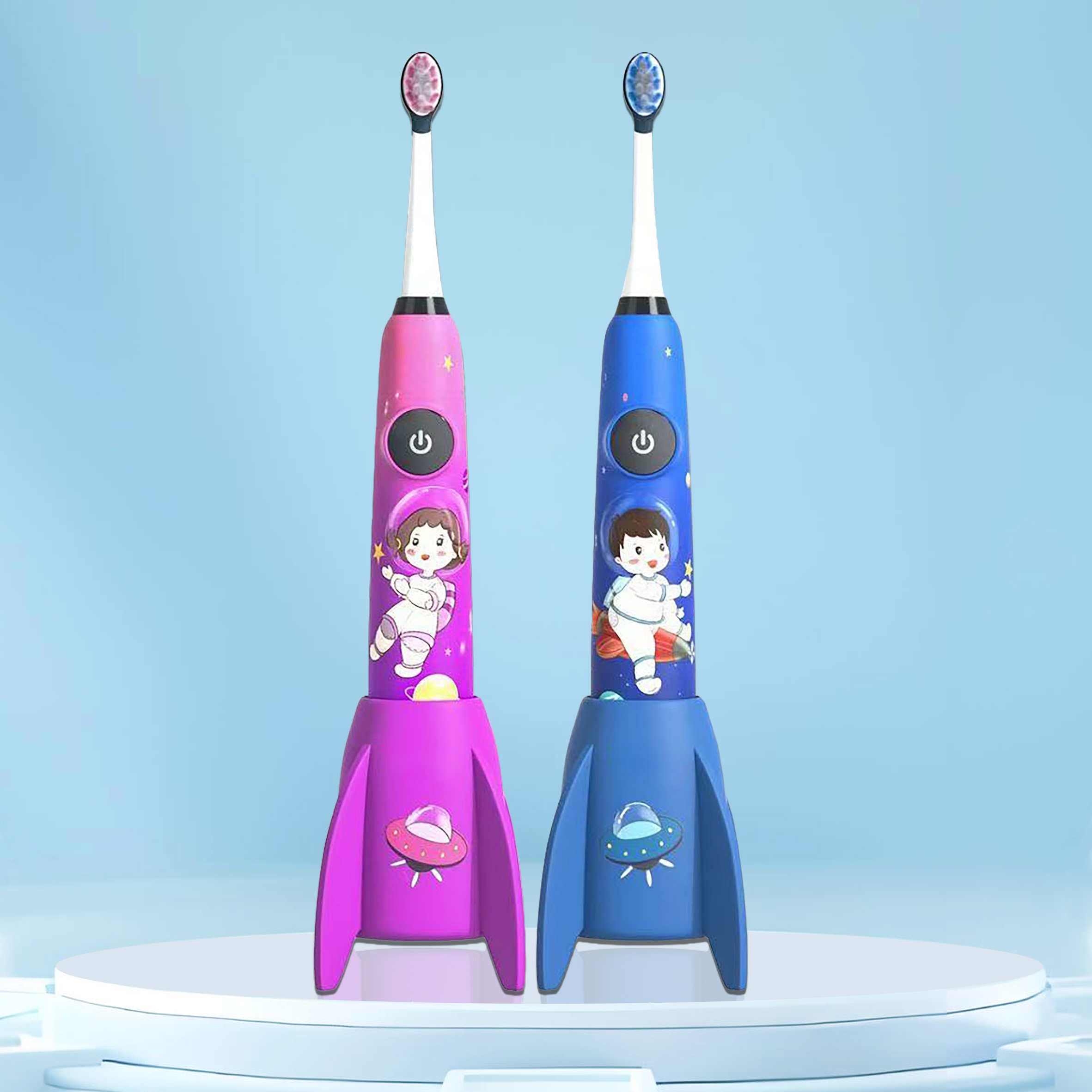
Yes, children can use an electric toothbrush, but they should use an age-appropriate model and brush under adult supervision.
For children, choose a brush with:
- A smaller brush head
- Soft bristles
- Gentle vibration
- Easy-to-hold handle
- Built-in timer
- Child-friendly design
Parents should help young children control brushing time, pressure, and coverage. Electric toothbrushes can make brushing more interesting for children, but correct technique still matters.
Choosing the Right Electric Toothbrush for Daily Oral Care
When choosing an electric toothbrush, consider your personal needs and brushing habits.
Important features include:
- Soft bristles
- Comfortable handle
- Suitable brush head size
- Two-minute timer
- 30-second quadrant reminder
- Multiple cleaning modes
- Pressure sensor
- Long battery life
- Waterproof design
- Replaceable brush heads
For users with sensitive gums, a gentle mode or pressure sensor can be helpful. For frequent travelers, long battery life and a compact charging design may be more important.
For brands, retailers, and distributors, product selection should also consider packaging, replacement brush head availability, charging method, certifications, and OEM/ODM customization options.
FAQ
Should I wet my electric toothbrush before using it?
Yes. You can wet the bristles before applying toothpaste. This can make brushing feel more comfortable.
Should I turn on the electric toothbrush before putting it in my mouth?
It is better to place the brush head against your teeth first, then turn it on. This helps prevent toothpaste from splashing.
Do I need to move an electric toothbrush back and forth?
No. You do not need to scrub back and forth. Guide the brush slowly across each tooth and let the motorized movement clean the surface.
Can I use an electric toothbrush every day?
Yes. An electric toothbrush can be used as part of your daily oral care routine. Brush twice a day for two minutes each time.
Can I use an electric toothbrush with braces?
Many people with braces use electric toothbrushes, but it is best to ask your dentist or orthodontist for personal advice. Use gentle pressure and clean carefully around brackets and wires.
Is an electric toothbrush better than a manual toothbrush?
Both manual and electric toothbrushes can be effective when used correctly. However, electric toothbrushes can make it easier for many users to maintain consistent brushing movement and timing.
How do I know if I am brushing too hard?
Signs may include frayed bristles, gum discomfort, bleeding gums, or tooth sensitivity. If your toothbrush has a pressure sensor, pay attention to the warning signal.
How often should I replace the brush head?
Replace the brush head about every three months, or sooner if the bristles are worn or frayed.
Final Thoughts
Learning how to use an electric toothbrush properly is simple, but it requires the right habits. The key points are: use light pressure, hold the brush at a 45-degree angle, guide it slowly from tooth to tooth, and brush for two full minutes.
An electric toothbrush is not about brushing harder. It is about brushing smarter.
With the right technique and regular brush head replacement, an electric toothbrush can become an effective part of a daily oral care routine for adults, children, and families.